What’s the Top Extended Solution for Pest Prevention in Scarborough?
What Is Extended Pest Prevention Actually Mean?
For many homeowners, extended pest prevention means not just reacting after insects or rodents show up. It is a protective approach built around integrated pest management, where the goal is to limit the conditions that attract pests from the start. Practically speaking, pest control Scarborough homeowners can rely on should focus on risk reduction, not just a single treatment.
It often begins with an inspection of the property, identifying entry points, and determining where pests are finding harbourage, nesting sites, and breeding grounds. A ongoing plan also includes preventative upkeep, because homes change over time. Climate, settling foundations, and seasonal wear can create fresh openings in the structure even after a house has been sealed once.
Practically speaking, long-term pest prevention is pest-proofing your home’s home perimeter and interior vulnerability zones so pests have fewer opportunities for pest access. That includes sealant work, ongoing home sanitation, and a clear plan for quick response when conditions start to shift.
How Pest Problems Are Common in Scarborough Homes
There are many environmental and housing factors that can make pest pressure more ongoing than many homeowners expect. The Scarborough climate brings humid summers that increase insect activity and cold winters that push rodents indoors. That seasonal back and forth creates constant movement between outdoor habitats and heated homes.
Proximity to Lake Ontario, ravines, and green belts also matters. These natural areas can support abundant pest populations, and nearby homes often experience more pressure from rodents, ants, and other insects looking for shelter. In communities with mature trees and dense landscaping, pests can move easily from outdoor cover into homes through tiny openings.

Suburban housing patterns add another layer. Detached homes, townhomes, and older basement foundations are common in parts of Scarborough, and each style has its own vulnerabilities. Detached homes often have more exterior exposure, townhomes may share walls and utility penetrations, and older basements can develop gaps where foundations have shifted. Over time, freeze-thaw cycles in the GTA can widen cracks and gaps, making entry points larger and harder to detect.
That is why a preventive strategy has to account for environmental factors, building age, and seasonal pressure. If those conditions are ignored, pests keep returning even after cleanup or spot treatment.
Which Pest Control Methods Work Best Over Time?
The most effective lasting benefits usually come from combining sealing cracks and gaps, strong sanitation, and effective blocking. One tactic alone is enough on its own. The most reliable pest control Scarborough homeowners can use is a layered approach that makes the property less inviting and harder to enter.
Sealing cracks and gaps helps block pest entry around foundations, soffits, vents, utility lines, windows, and doors. This is particularly important because pests often exploit small openings that homeowners may not see. Good weather sealing around structural transitions can cut down on the chances of rodents and insects getting inside.
Sanitation is equally important because pests are drawn to food residue, moisture, clutter, and hiding places. Good property sanitation means cleaning crumbs, storing food properly, managing pet food, and removing the conditions that support harbourage. For many homes, better sanitation also means fewer nesting sites in basements, garages, and storage areas.
Exclusion takes prevention one step further by actually blocking access. That can include door sweeps, screening vents, sealing pipe penetrations, repairing damaged screens, and protecting weak points at the home perimeter. A properly excluded home gives pests fewer ways to move from the outside into interior spaces.
When these methods are combined, they create stronger long-term protection because they minimize both the attraction and the access that pests need to survive indoors.
How Do Regular Inspections Help Prevent Infestations?
Routine inspections are one of the most valuable parts of any prevention plan. They support early detection, which is critical because small problems are much easier to manage than full infestations. A few droppings, a faint trail, or minor wall damage can reveal a much bigger issue if caught early.
For Scarborough homeowners, professional monitoring can be particularly useful because conditions shift with the seasons. A property inspection in spring may uncover winter damage, while a fall inspection can detect openings before rodents start moving indoors. Inspections are also useful in older homes where basement moisture, aging caulking, or shifting brickwork may create hidden risks.
Routine checks around the attic, basement, kitchen, utility room, and garage can uncover the first warning signs of pest activity. When those signs are addressed right away, the result is better risk reduction and fewer expensive repairs later.
Why Is Moisture Control So Important?
Moisture control is one of the most overlooked parts of pest prevention, yet it plays a major role in keeping homes pest-resistant. Many pests are drawn to damp areas because moisture supports survival and creates ideal conditions for hidden activity. High humidity can also make indoor spaces more attractive to insects and can contribute to decay that opens up more access points.
Common sources include plumbing leaks, poor grading, clogged eavestroughs, and weak drainage around the foundation. In Scarborough, homes near greener areas or low-lying lots may face more water intrusion after heavy rain or snowmelt. That makes moisture management especially critical in basements and crawlspaces.
Good moisture control supports attic and basement protection by reducing the damp conditions that pests prefer. It also protects building materials from deterioration, which helps prevent new entry points from forming over time. In other words, moisture management is both a pest strategy and a home-preservation strategy.
Mosquito Man Scarborough1225 Kennedy Rd, Scarborough, ON M1P 4Y1, Canada
+1 647-243-7241
https://maps.app.goo.gl/8SuLx1MkkqVJFc2m9 https://mosquitoman.ca/pest-control/scarborough/
43.7561897, -79.2751574
What Long-Term Pest Control Services Should Scarborough Residents Consider?
For most homeowners, the best answer is a combination of residential pest control and a useful long-term maintenance plan. The most effective services are not just about one visit; they establish structure around prevention, tracking, and response. That may include seasonal treatments, follow-up inspections, and tailored recommendations for vulnerable areas of the home.
An seasoned provider of pest control Scarborough homeowners trust should recognize local pressure points, from older basement foundations to homes bordering ravines and green spaces. A strong plan often https://toronto-onpr864.publishlane.com/posts/how-long-after-pest-control-can-you-clean-your-house includes ongoing maintenance that focuses on the places pests use most: kitchens, utility rooms, garages, attics, and foundation edges.
Seasonal pest treatments can be especially useful because pest behaviour changes through the year. Spring and summer may bring more ants and flying insects, while fall and winter often increase rodent pressure. Ongoing service helps maintain long-term protection instead of delaying for a problem to become visible again.
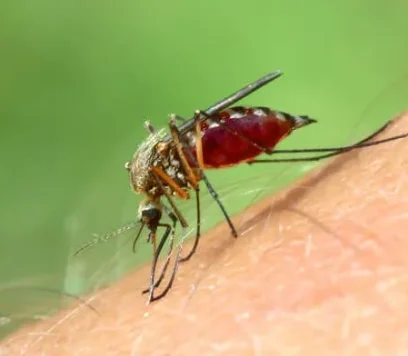
In many cases, the best service model is a blend of monitoring, targeted treatment, exclusion repairs, and homeowner education. That combination supports a more effective preventive approach and helps keep costs more predictable over time.
Are Natural or DIY Methods Enough?
DIY pest control can help with minor issues, especially when the goal is basic cleaning, simple sealing, or temporary deterrence. Some natural repellents may reduce activity in a limited area, and homeowners often use them as part of their initial response. However, these methods have clear limitations.
The problem is that most DIY solutions do not address deeper causes such as hidden entry points, structural gaps, moisture problems, or persistent nesting areas. A natural spray may discourage a pest briefly, but it will not replace proper exclusion, sanitation, and monitoring. That is why DIY methods are usually best viewed as support tools, not complete solutions.
For lasting results, homeowners should combine DIY actions to support specialist pest prevention rather than substitute for it. That is especially true in homes with repeated rodent issues, basement humidity, or ongoing insect activity linked to surrounding seasonal factors.
What Should Homeowners Do Before Hiring Pest Control in Scarborough?
Prior to hiring a provider, make sure you are dealing with a properly licensed pest control operator or a trusted licensed exterminator. Licensing is important because it signals professional preparation, attention to safety, and knowledge of proper treatment methods. It also helps ensure that the company can explain how treatments fit into a broader prevention strategy rather than a short-term fix.
Find out whether the company offers a clear service plan and whether that plan includes property inspections, follow-up visits, and suggestions for prevention. A good plan should be specific about continued service, focused treatment, and what homeowners need to do between visits. That makes it easier to build a real ongoing maintenance plan.
You should also ask about the warranty. A warranty can give homeowners more confidence that the company stands behind its work, especially when pests are persistent or the property has ongoing risk areas. It is also useful to understand what the warranty covers, how long it lasts, and what maintenance is required to keep it valid.
For homeowners comparing providers, the best choice is usually the one that pairs treatment with preventive care, explains the home’s risk factors clearly, and offers practical follow-through after the first visit.
How Do You Prevent Pests Away All Year in Scarborough?
All-year pest prevention depends on steady attention. A home that is carefully secured in July may continue to be at risk in November if it is not maintained through the seasons. That is why seasonal prevention is essential in Scarborough, where weather changes can shift pest behaviour quickly.
Landscaping maintenance is a important part of that process. Prune shrubs away from the house, keep tree branches from reaching the roofline, and avoid storing wood or debris too close to the foundation. These steps limit cover for pests and make it harder for them to move directly into the home.
Waste disposal also matters. Garbage, recycling, and compost can attract insects and rodents if bins are not closed tightly or emptied regularly. Outdoor waste areas should stay clean, and bins should be kept in good condition. Inside the home, food storage and regular cleaning help better sanitation and reduce food sources.
It also helps to protect the most vulnerable spaces, including the attic and basement. Attic and basement protection should include checking insulation, vents, pipe openings, and foundation edges. These areas are often the main places pests use when trying to move indoors during colder months.
When those steps are repeated through the year, they build stronger long-term protection and decrease the odds of repeated infestation.
When Should You Call a Pest Professional?
You should contact a professional right after you spot an infestation. In most cases, the earlier you act, the more straightforward the problem is to resolve. Common signs can include feces, rustling sounds, opened food packaging, bite marks, molted skins, or visible pests moving along walls or baseboards.
Rodents are one of the most common reasons homeowners call for assistance because they can stay concealed in walls, attics, garages, and basements before they show up. If you think you may have rodents, it is wise to respond promptly, especially if you are seeing activity near stored food or insulation. Rodent issues often worsen rapidly because they choose warm nesting sites and can exploit small openings.
Ants are one more common issue, particularly in spring and summer. While a small number of ants may seem insignificant, repeated trails often indicate a colony nearby or an indoor access route that needs care. The same is the case for cockroaches and bed bugs. Even if you only see one or two, a pattern can signal a larger issue, which is why cockroach prevention and bed bug prevention are part of a comprehensive home strategy.
If bugs return again after clean-up or over-the-counter solutions, that is a strong indication you need specialized support. A careful check can identify where pests are coming in, what is luring them, and what proactive fixes will truly hold up.
Conclusion
The most effective long-term strategy for pest prevention in Scarborough is a multi-step one: integrated pest management backed by entry-point sealing, cleanliness, dampness reduction, inspections, and scheduled maintenance. That approach is more effective than single treatments because it targets the main causes of pest activity, not just the visible symptoms.
Scarborough homes face ongoing challenges from damp summers, cold winters, freeze-thaw cycles, older foundations, and nearby environmental factors like ravines, green belts, and Lake Ontario. Those conditions create constant pressure from rodents and insects, so prevention has to be designed into the home over time.
Whether you live in a detached house, a townhome, or a home with an older basement, the goal is simple: reduce access, eliminate food sources, and get ahead of seasonal changes. With the right maintenance plan and professional support, pest control Scarborough residents can count on becomes not only emergency response and instead focused on lasting protection.
FAQ
What is the most effective long-term pest prevention method for homes in Scarborough?
The most effective method is integrated pest management combined with exclusion, sanitation, moisture control, and routine inspections. This multi-step method cuts down on pest entry, removes attractants, and detects problems early. In Scarborough, it is especially important because seasonal weather changes and older housing can introduce new vulnerabilities over time.
How often should a Scarborough home be inspected for pests?
Most homes benefit from at least seasonal routine inspections, especially in spring and fall. Homes near ravines, green space, or Lake Ontario may need closer monitoring because of higher pest pressure. A professional can recommend the right schedule based on the home’s age, layout, and history of activity.
Can sealing entry points really stop pests long term?
Yes, sealing entry points is one of the most important long-term measures, but it works best when combined with sanitation and moisture control. Sealing cracks and gaps blocks access, while cleaning and reducing moisture make the home less attractive. For lasting results, exclusion should be part of a broader maintenance plan.
Are DIY pest prevention methods enough for Scarborough properties?
Home-based pest control can support with simple prevention, but it is usually not enough for long-term results. Plant-based repellents and home remedies may provide temporary relief, yet they do not fully solve property gaps, hidden nesting sites, or recurring moisture issues. They work best as support measures, not full solutions.
What pests are most common in Scarborough year-round?
Mice and rats and ants are among the most regular year-round concerns, with cockroaches and bed bugs also requiring action in many homes. Climate-based pressure changes throughout the year, but these pests can remain active indoors if conditions are ideal. Effective prevention focuses on early detection, exclusion, and consistent maintenance.