What Infestations Show Up Most Often in Toronto Homes?
If you stay in Toronto homes, the invaders you deal with are often shaped by the city’s housing stock, weather, and density. In historic neighbourhoods, basement apartments, and Toronto condos, the most likely problems tend to be mice, cockroaches, bed bugs, ants, and seasonal stinging insects. For many households, pest control Toronto becomes necessary not because of poor housekeeping, but because of entry points, shared walls, moisture, and building-wide infestation pressure.
Toronto’s cold winters push rodents indoors, while humid summers increase activity from ants, cockroaches, and wasps. Add in dense multi-unit housing, utility lines, and older detached homes with aging foundations, and you get frequent pest pressure that can spread quickly from one suite or house to another. The advantage is that once you know what to look for, you can identify the pest, choose the right treatment plan, and reduce recurrence.
Why Toronto homes attract pests
Toronto homes are especially vulnerable because the city combines older homes, newer builds, low-rise semis, basement units, and condo buildings in close proximity. That mix creates plenty of shelter for pests and many opportunities for entry points. Small gaps around pipes, vents, cracks in foundations, and damaged weather stripping can allow mice and insects to enter unnoticed.
Seasonal pest pressure also matters. During cold months, rodents search for warmth, food, and shelter. In spring and summer, higher humidity and outdoor breeding cycles increase the presence of ants, cockroaches, and wasps. In Toronto condos and multi-unit housing, pests can travel through shared walls, utility chases, and hallway voids, making property management and coordinated treatment more important.
Older neighbourhoods with aging infrastructure often see more pest activity because sealed cracks are harder to maintain, basement spaces can stay damp, and renovations may disturb hidden nesting areas. In these settings, prevention is as much about maintenance and sanitation as it is about extermination.
The most frequent pests in Toronto homes
The pests most Toronto residents deal with are mice, cockroaches, bed bugs, and ants, with wasps remaining a regular issue outdoors in hotter months. Each pest acts differently, and the signs of infestation can differ depending on whether you live in an older detached home, a semi, a basement apartment, or a high-rise condo.
What these pests have in common is a pattern to take advantage of food, moisture, and access routes. Should you find droppings, bite marks, live insects, or damage signs, it usually means the problem is active enough to require a closer inspection. In shared buildings, one unit’s issue can become a property-wide problem if it is not dealt with quickly.
Rodents and mice in older neighbourhoods and basements
Rodents are one of the most common pest complaints in Toronto, especially in older-style homes and basements. The house mouse is the species many homeowners come across first. It is small, highly adaptable, and able to fit through tiny gaps around foundation lines, utility penetrations, and door thresholds. Once inside, mice can nest in wall voids, storage rooms, and basement corners.
Common warning signs are rodent droppings, scratching sounds at night, chew marks, and shredded nesting material. In older areas, the problem is often exacerbated by worn brickwork, gaps around pipes, and unfinished basement areas. If you notice evidence near pantry areas, furnace rooms, or behind appliances, the infestation may already be well established.
Effective mouse control usually starts by identifying finding entry points, closing cracks, improving cleanliness, and setting up monitoring tools to track activity. Trapping may help with limited problems, but recurring activity often means there are several entry routes, or hidden nests. For severe infestations, an pest professional will combine bait placement, entry-point exclusion, and ongoing follow-up to stop recurrence. DIY options may sound https://caledon-onmh758.raidersfanteamshop.com/toronto-on-vs-brampton-on-which-city-is-better-to-live-in appealing, but diy fumigation for mice is not a practical or secure solution for the majority of Toronto homes.
Relevant local note: In older areas across Toronto, mice often travel between neighbouring houses, so one property’s pest control effort may be undermined if surrounding gaps and harborage remain untreated.
Cockroaches in apartments, kitchens, and shared walls
Cockroaches are especially common in apartments, condo buildings, and any home with common walls or frequent moisture. The German cockroach is the species most often associated with indoor infestations in Toronto because it thrives in warm, hidden spaces near kitchens, bathrooms, and appliances. It can spread quickly through multi-unit housing, making sanitation and coordination essential.
Roaches are attracted to crumbs, grease, food residue, and damp conditions. A kitchen with poor sanitation, a leaky pipe, or excess humidity can become a lasting harborage area. They hide behind fridges, inside cabinets, under sinks, and inside wall gaps. If you see live insects during the day, that often suggests a more serious infestation because cockroaches are generally nocturnal.
The cockroach exterminator toronto cost can vary depending on the size of the property, the level of infestation, and whether the building requires multiple service. In many cases, treatment includes inspection, targeted baiting, residual spray in selected areas, and follow-up to confirm the population has decreased. Building-wide treatment may be needed in condos or rental properties, especially when cockroaches are moving through shared plumbing or utility chases.
Local reality: Toronto condos and rental buildings often need property management involvement, because a single-unit treatment may not fix an infestation that is spreading through adjacent suites.
Bed bug infestations in condos, rentals, and multi-unit housing
Bed bugs are a major concern in Toronto condos, rentals, and multi-unit housing because they spread easily through luggage, furniture, and adjoining walls. They are not linked to dirt or poor housekeeping; rather, they are travelers that can travel from one unit to another. That makes dense urban housing especially at risk.
Homeowners often detect bed bugs through bites, tiny stains on bedding, shed skins, or sightings around mattresses, bed frames, and baseboards. Since the insects stay concealed close to sleeping areas, mattresses and upholstered furniture are frequent inspection points. Luggage is another usual source of introduction, especially after travel or when bringing in second-hand items.
Many Toronto residents ask whether bed bug heat treatment toronto is the best option. Heat treatment can be extremely effective because it reaches hidden spaces where the pests live, but the best choice depends on the layout of the unit, the severity of the infestation, and whether adjacent units need attention. The cost of bed bug treatment also varies based on square footage, preparation work, and whether multiple follow-up is required.
Because bed bugs can recur if even a small population remains hidden, monitoring and follow-up are vital. For renters and condo owners, combined treatment can matter as much as the initial exterminator visit.
Ants, especially pavement ants and carpenter ants
Ants are another common issue in Toronto homes, especially in spring and summer when searching for food activity increases. The two most common troublemakers are pavement ants and carpenter ants. Pavement ants are often seen trailing along foundations, driveways, kitchens, and baseboards, while carpenter ants are more concerning because they can damage damp or decayed wood.
Ants enter homes in search of food sources, water, and shelter. Spilled sugar, pet food, crumbs, and uncovered garbage can all attract them. Moisture is another major factor, particularly in basements, bathrooms, and around leaky windows or pipes. Carpenter ants are often associated with wood that has already been softened by moisture, which is why prevention includes both sanitation and repairing damp areas.
If you notice repeated trails despite cleaning, the colony may be outside the home, in wall voids, or under the foundation. Effective treatment often depends on identifying where the ants are nesting and whether baiting or targeted application will work better than simple sprays. In Toronto homes, especially older ones, ants can move through tiny gaps and reappear if moisture or access routes remain.
Wasps, wasps, and additional temporary stinging pests
Wasps are an often reported seasonal complaint in Toronto, particularly in late summer and early fall when colonies are at maximum activity. Paper wasps are the names homeowners hear the most. These pests are attracted to outside food, sweet drinks, and hidden nesting locations near rooflines, decks, sheds, and outdoor entryways.
Nests can appear in eaves, wall voids, attic spaces, and other concealed areas. If a nest is near outdoor entryways, there is a greater risk of stings when family members, tenants, or visitors move in and out. Yellowjackets are especially defensive around nests and can become aggressive if disturbed.
Because stinging pests are only present for part of the year, prevention is often about early detection and blocking access to nesting spots. Inspect soffits, vents, and cracks around outdoor structures. If you find active nests, professional removal may be the best option, especially when the nest is close to doors, balconies, or high-traffic areas.
How to identify which pest you have
Accurate identification is the starting point in effective pest control Toronto. Different pests leave behind different clues, and the symptoms often point to where the infestation is starting. Feces are one of the strongest clues for rodents and can also help distinguish activity levels. Mice droppings are small and dark, while insect evidence may include shed skins, egg cases, or grease marks.
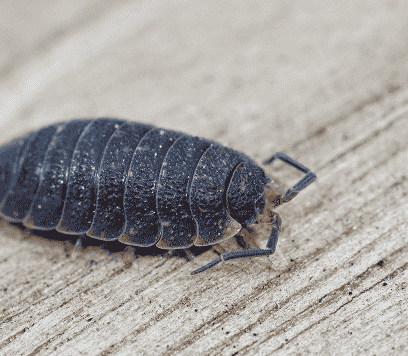
Chew marks on food packaging, gnawed wires, or shredded insulation suggest rodents. Live insects are a strong clue for cockroaches or ants, especially if they appear during daylight. Damage signs matter too: holes in walls, torn food bags, stained bedding, or damaged wood can all reveal the pest type.
When you pair these clues with the location of the problem — basement, kitchen, bedroom, or shared hallway — you can work out whether you are dealing with rodents, cockroaches, bed bugs, ants, or wasps. A professional inspection can confirm the source and outline the right treatment plan.
When DIY solutions are not sufficient
DIY methods can help with small issues, but they are often not enough for an established infestation. DIY traps may reduce rodent numbers, yet if entry points remain open, new mice can continue entering. Sealing gaps is important, but it works best when combined with ongoing pest monitoring and source control.
For cockroaches, sprays alone often fail because the insects hide in voids, appliances, and shared spaces. For bed bugs, over-the-counter products rarely eliminate the full population because hidden eggs and missed harbourage sites can lead to recurrence. For ants, surface sprays can sometimes scatter the colony rather than remove it.
The point where DIY no longer makes sense is usually when pests keep returning, when you see activity across multiple rooms, or when the issue involves multi-unit housing. At that stage, an exterminator with a clear treatment plan, follow-up, and preventive measures can save time and reduce long-term damage. In some cases, what seems like a small problem is actually a building-wide issue that requires coordination with property management or neighbours.
What Toronto pest control often costs
Property owners usually start by searching for pest control toronto cost, pest control cost ontario, or pest control prices near me. Those searches make sense, but pricing depends heavily on the infestation type, property size, and the complexity of the job. If you are asking how much is pest control for mice, the answer changes based on whether you need a straightforward inspection and trap setup or full exclusion work with multiple visits.
Local pricing is influenced by infestation severity, the type of property, and whether follow-up visits are included. A one-time treatment for a small ant problem is very different from a multi-visit bed bug or rodent job in a condo building. Some services may appear more affordable initially but cost more if monitoring, sealing, or retreatment is needed later.
Common cost factors for Toronto pest treatment
The main price factors are the inspection, infestation severity, property type, and follow-up visits. An inspection shows the pest, entry points, and harborage areas. Severe infestations generally require additional materials, additional effort, and more return visits. Property type also matters: a detached home, basement apartment, or condo suite each creates its own access and treatment concerns.
Follow-up visits can be especially important for rodents, cockroaches, and bed bugs. Without confirmation that activity has dropped, recurrence is more likely. That is why the cheapest quote is not always the best value if it does not include monitoring or a proper treatment plan.
Comparing local search intent around pest control prices
When people search pest control near me, best pest control near me, pest control near me prices, or pest control toronto cost, they are usually trying to balance quick service, reputation, and affordability. In practice, the best choice is often the service that can correctly identify the pest, explain the likely source, and provide a realistic plan for prevention and follow-up.
It is also common to compare rates through nearby Ontario cities. For instance, pest control mississauga, pest control london ontario, and pest control kitchener may have different starting points because of travel, property types, and market demand. You may also see lookups like pest control brampton prices, pest control hamilton prices, and pest control edmonton prices when people are checking regional averages. In Atlantic Canada, homeowners may search pest control fredericton nb, adams pest control fredericton, or adams pest control moncton when looking at local providers.
Mosquito Man Toronto224 King St W #2401, Toronto, ON M5J 0A6, Canada
+16472437241
https://maps.app.goo.gl/VbxNrosScd6ZL8U39
https://mosquitoman.ca/pest-control/toronto/
JJX7+23 Toronto, Ontario, Canada
Those comparisons can be helpful, but Toronto conditions are different because of closely packed housing, condo pressure, and older neighbourhoods. A quote should always match the actual infestation and the building environment, not just a simple average.
What to expect from a Toronto pest control service
A qualified pest control Toronto provider should start with a thorough inspection. The exterminator should identify the pest, locate entry points, evaluate droppings or damage, and determine whether the issue is limited or connected to neighbouring units. After that, the company should provide a treatment plan that addresses the pest and the property.
Based on the issue, that plan may include baiting, residual spray, traps, heat treatment, exclusion work, or sanitation recommendations. Preventive actions are just as important as the treatment itself, because without sealing cracks, improving storage, and reducing food access, the infestation can return. A good service will also explain what follow-up is needed and when monitoring should happen.
For Toronto condos and rental properties, communication with property management or landlords can be essential. Shared walls, hallways, and utility systems can allow pests to move between units, so a coordinated approach is often the difference between a short-term fix and lasting control.
Specific to Toronto prevention tips for homeowners and tenants
Preventive care in Toronto starts with weatherproofing. Fill cracks around foundations, vents, and utility lines. Replace damaged screens, door sweeps, and window seals. These sealed cracks decrease the chance that mice and insects can enter, especially during winter weather when pests look for shelter indoors.
Garbage storage matters too. Keep bins closed, store waste away from entry doors when possible, and avoid leaving pet food exposed overnight. Kitchen cleanup is crucial because crumbs, grease, and food residue attract ants, cockroaches, and rodents. Regular vacuuming and wiping down surfaces can go a long way toward limiting food sources.
In moist basements, dehumidification and leak repair can make a major difference. Humidity supports cockroach activity, attracts carpenter ants to damp wood, and encourages general pest pressure in storage areas. If you live in an older home or basement apartment, routine inspection of foundation walls, pipes, and basement corners can help detect issues early.
For renters and condo owners, report problems without delay. In multi-unit housing, delays make pest spread more likely. The sooner you address an active infestation, the more thorough the inspection, monitoring, and follow-up will be.
FAQ on frequent pests and pest control in Toronto
What pests are most likely to appear in Toronto homes?
The most common pests in Toronto homes are mice, cockroaches, bed bugs, ants, and seasonal wasps. Older-style homes and basements often see rodents, while Toronto condos and multi-unit housing are more likely to deal with cockroaches and bed bugs because of shared walls and building-wide spread.
How expensive is pest control for mice in Toronto?
How high is pest control for mice is determined by the size of the property, the amount of entry points, and whether additional work is needed. A basic service may run lower than a larger job that includes closing gaps, monitoring, and return visits. In many cases, the total price reflects not just catching but complete exclusion and deterrence.
Is bed bug heat treatment in Toronto worth the cost?
Bed bug heat treatment in Toronto can be worth the cost when you want fast, thorough coverage of hidden areas like mattresses, furniture, and wall voids. It is often valued because it can lower the chance of missed pockets of activity, but the proper choice depends on the infestation level and whether nearby units also need treatment.
What signs show I need pest control in Toronto right away?
Contact us for pest control Toronto right away if you find droppings, active insects, bite marks, chewing damage, nesting material, or repeated sightings in kitchens, basements, or bedrooms. Pressing infestations also include cockroaches in multi-unit housing, bed bugs in sleeping areas, and wasp nests near outdoor entryways.
Should I deal with mice or cockroaches myself, or should I hire an exterminator?
You may be able to handle a small pest problem with DIY traps, proper sanitation, and sealing gaps, but if activity keeps returning, an exterminator is usually the smarter option. Mice and cockroaches often use unseen entry points, shared walls, and inaccessible harborage areas, so professional inspection, baiting, residual spray, monitoring, and follow-up are often necessary to stop recurrence.